Excerpt from Nadja Dietrich’s Novel Emperor’s Eyrie
The multifaceted language of forms with which nature testifies to its playful creative power on a small as well as on a large scale is particularly pronounced in the mountains.
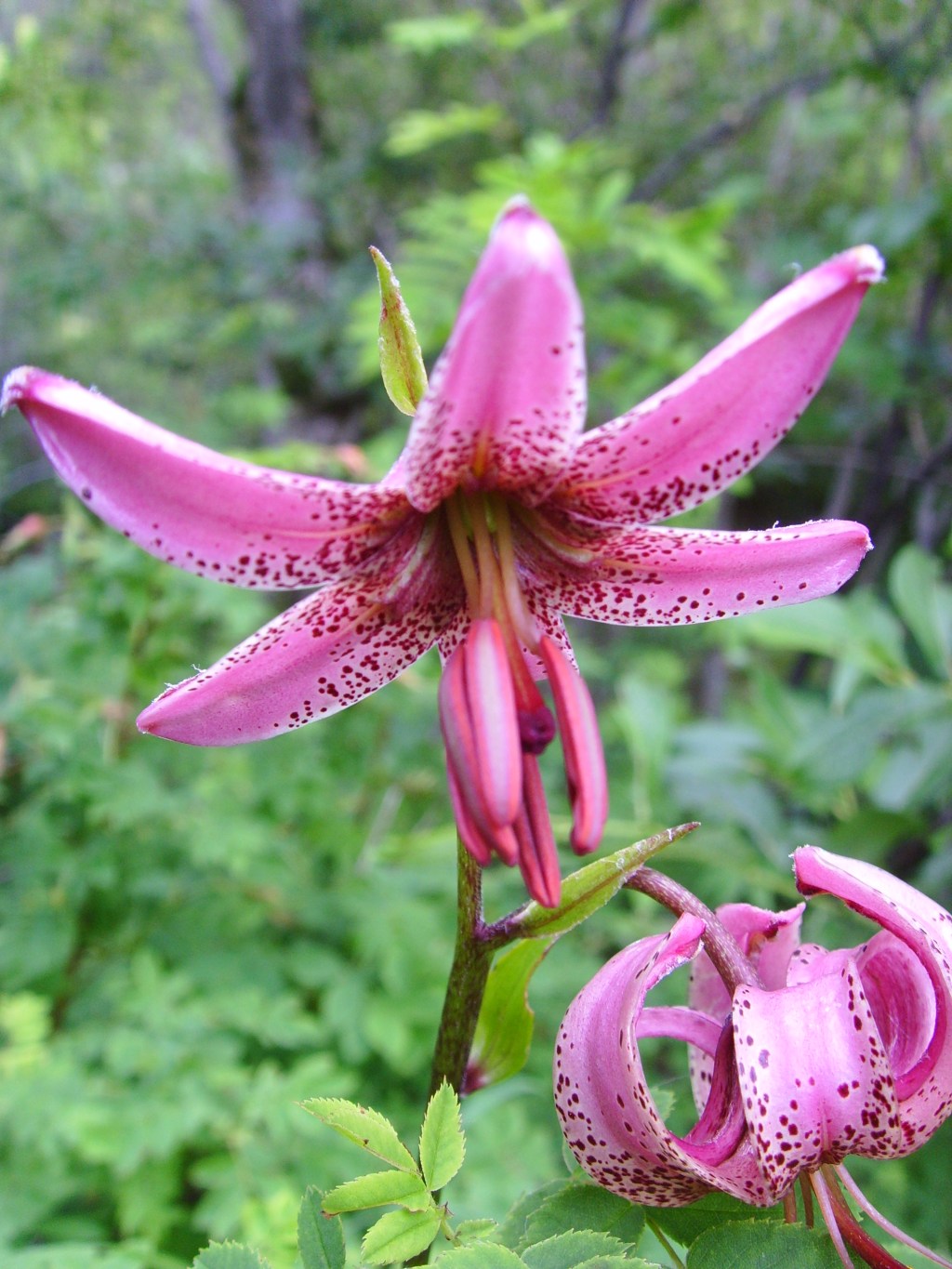
Turk’s cap lily, green-winged and lady’s slipper orchid … All these tentative attempts to translate the bizarre formal language of the plant world into the world of human words and images …
It is no different to the way we deal with the mountains, where individual, particularly striking rock formations are coated with the icing of human images and thus detached from the solidified rock wave in which they are rooted. Thus, as in the case of the star constellations, the bizarre formations are replaced by a fairytale panorama of supposedly familiar forms, which in a self-contained cycle refer to legends and meaningful figures.
Why do we close our eyes to the true language of nature? What drives us to see in it only a mirror of ourselves?
Nowhere else does nature speak to us as clearly as here, in the mountains. Nowhere else does it express itself in such manifold forms, in no other place is its visual language so rich. And this applies not only to the overwhelming expressiveness of the mountains. The small, supposedly insignificant things here also speak with the same impressiveness to those who are prepared to listen.
Anyone who looks at the forest of mosses, the jungle of lichens or the thicket of tree fungi through a microscope will discover the same playful metamorphosis of forms that – albeit in an incomparably more powerful act – once gave rise to the mountains.
And anyone who does not see in the unique orchid that we call „lady’s slipper“ what the name suggests will be able to discover the whole secret of nature in this one plant: this symphony of minerals, tiny creatures and fungal spores, composed down to the smallest syncopation, these multifarious processes deep inside the earth, hidden from human sight, which allow the miracle of life to sprout from its womb.
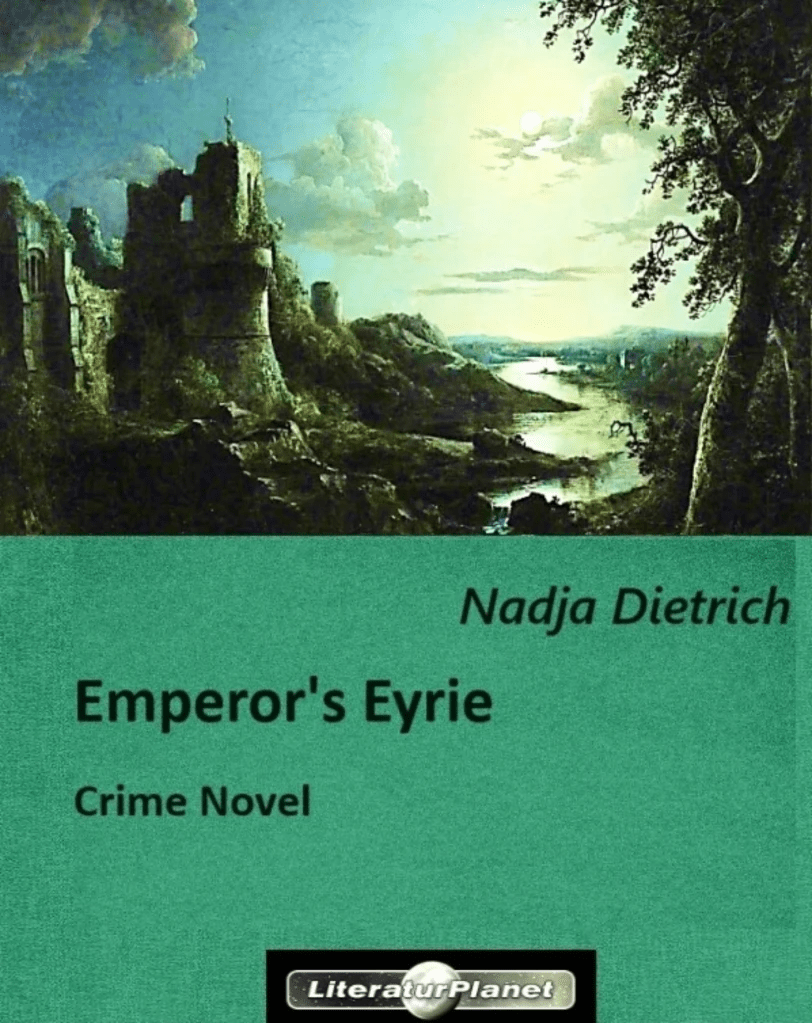
Image: Steffen Temp: Turk’s cap lily (Wikimedia Commons)
 Planet Literature
Hinterlasse einen Kommentar